October is full of things designed to give us a fright: haunted houses, ghost stories, corn mazes, and spooky decorations.
Some of the biggest threats to our health, however, aren’t those things that go bump in the night — in fact, some of our biggest long-term health risks are dangerously quiet.
High blood pressure rarely announces itself. High cholesterol can build silently for years. Blood sugar often creeps upward gradually, and weight changes tend to happen so subtly that we may not notice them from one season to the next. By the time these issues begin causing problems, they’ve often been developing behind the scenes for quite some time.
The scary truth? Knowing your numbers could help save your life.
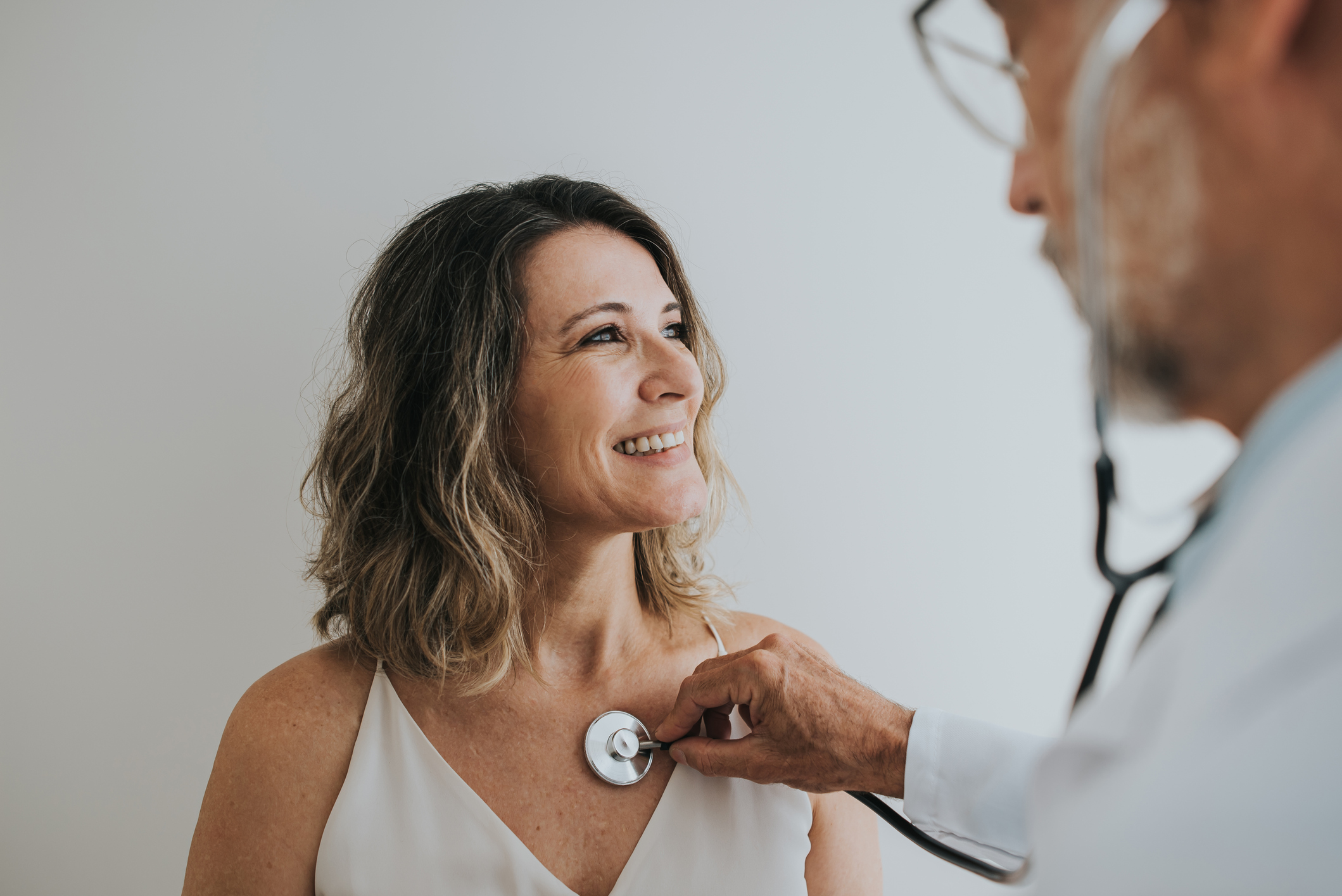
At Healthier 901, we believe one of the most empowering things you can do for your long-term health is to simply be informed, and knowing your numbers is a great place to start. Four routine health measurements — blood pressure, cholesterol, blood sugar, and body mass index (BMI) — offer valuable insight into how your body is functioning today and where it may need a little extra support tomorrow.
“Many of the most common chronic conditions develop gradually, often without noticeable symptoms at first. Regular health screenings give people the opportunity to identify concerns early, understand their personal risk factors, and make meaningful lifestyle changes before small issues become larger ones.” – Dale Criner, MD, at Methodist Le Bonheur Healthcare
Four numbers worth knowing
No single measurement tells the whole story about your health, but together, these four numbers provide an important snapshot of your overall wellness. Read on to learn what each one is trying to tell you — and to see which healthy habits can reduce your long-term risk.
Blood pressure: How hard does your heart have to work?
Every time your heart beats, it pushes blood through your arteries to deliver oxygen and nutrients throughout your body. Blood pressure measures how much force, or effort, it takes to do that job.
When blood pressure stays elevated over time, your heart has to work harder than it should. That extra strain increases your risk for heart disease, stroke, kidney disease, and other serious health conditions — even if you feel perfectly fine.
Because high blood pressure often develops without symptoms, it’s commonly known as the “silent killer.” Fortunately, it’s also one of the most manageable risk factors when caught early.
Healthy target: Less than 120/80 mmHg
Healthy habits: Regular physical activity, limiting sodium, managing stress, and getting quality sleep can all help support healthy blood pressure over time.
Cholesterol: What’s happening inside your arteries?
A bit of good news — cholesterol isn’t exactly the villain it’s been made out to be. Our bodies actually need cholesterol to build healthy cells and produce certain hormones.
Problems arise, though, when too much LDL (“bad”) cholesterol begins building up in the bloodstream and along artery walls. Over time, this buildup — also known as plaque—makes it harder for blood to flow freely, which increases the risk of heart attack and stroke.
A simple blood test can measure your cholesterol levels and help you and your healthcare provider understand your overall cardiovascular risk.
Healthy target: Total cholesterol below 200 mg/dL
Healthy habits: Eating more fruits, vegetables, whole grains, and healthy fats can help improve cholesterol levels and support heart health. Staying physically active can really help here, too.
Blood sugar: How is your body using energy?
Our bodies rely on glucose, or blood sugar, for fuel. Insulin — which our bodies naturally produce — helps move that glucose from the bloodstream into our cells, where it’s used for energy.
When blood sugar remains consistently high, this can damage blood vessels and nerves throughout the body, increasing the risk for Type 2 diabetes, heart disease, kidney disease, and vision problems.
The encouraging news is that blood sugar often responds well to healthy lifestyle habits, especially when changes are made early.
Healthy target: Fasting blood sugar below 100 mg/dL
Healthy habits: Choosing fiber-rich foods, staying active, maintaining a healthy weight, and following your healthcare provider’s recommendations can all support healthy blood sugar.
BMI: One piece of your overall health picture
Body mass index, or BMI, compares your height and weight to estimate whether your weight falls within a healthy range.
BMI isn’t a report card, and it certainly doesn’t tell the whole story about your health. BMI doesn’t measure muscle mass, fitness level, or body composition. Instead, it serves as one screening tool healthcare providers use, alongside other measurements like blood pressure, cholesterol, and blood sugar, to better understand potential health risks.
If your BMI falls outside the recommended range, your primary care provider can help you understand what that means for your individual health — and whether any changes would be beneficial.
Healthy target: Generally between 18.5 and 24.9
Healthy habits: Focus less on chasing a specific number on the scale and more on sustainable habits that support your overall well-being, such as balanced nutrition, regular movement, and quality sleep.
“Our numbers aren’t meant to judge us; they’re meant to inform us. Even modest improvements in blood pressure, cholesterol, blood sugar, or weight can meaningfully reduce long-term health risks and improve overall quality of life.” – Dale Criner, MD, at Methodist Le Bonheur Healthcare
Knowing is one of the healthiest habits you can build
Health isn’t defined by a single screening result, and no one number determines your future. Think of these measurements as guideposts, helping you understand where you are today so you can make informed decisions about tomorrow.
If one of your numbers isn’t where you’d like it to be, don’t be discouraged. Many of the habits that improve one measurement — moving more, eating a balanced diet, getting enough sleep, managing stress, and working closely with your healthcare provider — often improve the others, too.
So this October, don’t be scared to know your numbers. Instead, let knowledge empower you to take the next small step toward better health. Healthier 901 offers free tools, wellness challenges, on-demand workouts, healthy recipes, and community support to help Mid-Southerners build healthy habits that last. Because when it comes to your long-term health, knowledge really is power.